If you dream of living on the water in Cape Coral, you’ll quickly face a key choice: a home on a freshwater canal or on a Gulf-access canal. Both deliver water views and that easy Southwest Florida vibe, but the day-to-day experience and long-term value can feel very different. If you’re relocating or buying your first waterfront home here, it’s normal to feel unsure where to start.
This guide breaks down how each canal type works, what you’ll notice during showings, how boating and bridge clearances affect your options, and what matters most for resale. You’ll also learn about recent changes like the Chiquita Lock removal and how they might impact navigation. Let’s dive in.
Cape Coral’s waterfront is unusual in its scale. The city cites more than 400 miles of canals, along with a separate freshwater canal system that helps manage irrigation and water quality. You can explore the city’s broader water-quality and conservation work on the official resource page from the City of Cape Coral. The network is large and locally varied, which is why you see very different property types across town. You can confirm the city’s water-quality and conservation context on the City’s page for water resources at Cape Coral Public Works.
In local real estate, “freshwater” canals refer to interior canals that do not provide direct navigation to open water. Many tie into the city’s reclaimed and irrigation systems, which the city explains on its Utilities Department water reclamation page. “Gulf-access” canals connect by boat to the Caloosahatchee River, Matlacha Pass or the Gulf of Mexico. Some are brackish, and access can involve fixed bridges. The key is access, not strict salinity.
Gulf-access corridors cluster in parts of southwest Cape Coral and along the Matlacha Pass side. The city’s canal system maps and regional water resources show a broad set of waterways with different widths and navigation routes. You can get a feel for the layout by reviewing the Cape Coral canals overview from the region’s Water Atlas.
Bridge clearance matters. Some routes are low-bridge pathways that fit many powerboats. Others are sailboat-friendly with no fixed bridges to the river or pass. Before you buy, check the number of bridges to open water and their heights. A practical reference that locals use is this bridge heights canal map, which helps you match boat type to route.
A notable recent change: the City removed the Chiquita Lock in a South Spreader enhancement project, completed in mid-2025. This altered navigation and water dynamics in parts of the southern canal network. If you’re considering a home in that area, review the City’s update on the Chiquita Boat Lock project and ask how the change affects your specific canal branch.
Freshwater canals are often quieter because there’s no through-traffic to the Gulf. If you love kayaking, paddleboarding, or shoreline fishing, you may find these stretches appealing. The city manages many freshwater corridors for irrigation and storage, so you might notice features like pump stations, weirs or vegetated banks. For context on how the city’s reclaimed and irrigation systems work, see the Utilities Department overview.
Wildlife and vegetation can feel different on freshwater canals. You may see more emergent aquatic plants and a different mix of birds than on open-water channels. If you want to check local canal conditions, the regional Canalwatch program offers volunteer monitoring summaries at Canalwatch.
Gulf-access living centers on boating. You’ll typically see more boat movement and hear more activity, especially on weekends and during season. That tradeoff comes with quicker runs to popular spots like Sanibel, Matlacha, or the offshore fishing grounds. Local reporting has highlighted increasing boat use and new investments in marina communities across the city. For a useful snapshot of this trend, see this regional story on boating and canal development.
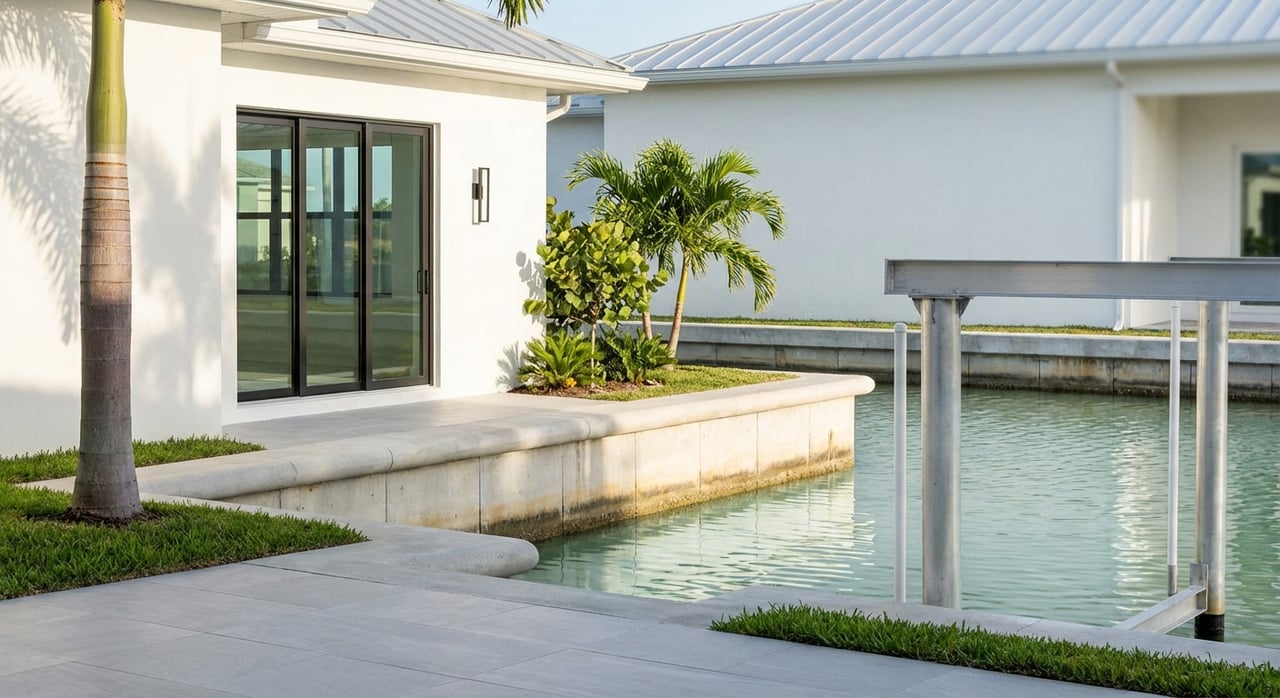
You’ll also notice different dock setups on many Gulf-access properties: deeper-water slips, larger lifts and more robust utility service. In areas near bays and passes, shoreline vegetation may include mangroves. These elements add to the waterfront vibe that many boaters seek.
Before you fall in love with a view, make sure the home fits your boating plan. On showings, verify these items and ask for documentation from the seller or listing agent:
Across local reports and listings, Gulf-access and especially direct riverfront homes tend to trade at higher price bands than comparable interior freshwater canal homes. The premium varies by neighborhood, canal width and depth, minutes to open water, and dock or seawall condition. In fast-moving markets, exact pricing can shift month to month, so use current MLS comps from the same canal branch for the clearest picture.
Buyer pools often differ. Gulf-access homes typically attract active boaters and buyers who will use the dock or nearby marinas. Freshwater canal homes tend to appeal to those who prioritize a waterfront setting, small-craft recreation and a quieter pace. This can influence marketing strategy, showing activity and days on market.
For resale, focus on observable drivers:
Costs for major marine work like seawall replacement or extensive dock projects vary widely by length, materials and access to the site. Rather than quoting generic figures, get written estimates from local contractors during the inspection period so you can make informed decisions.
Choose a freshwater canal if you want a peaceful waterfront setting and plan to enjoy kayaking, paddleboarding or relaxed fishing at home. You’ll usually see less boat traffic, and you can often find more budget flexibility compared to Gulf-access addresses in the same neighborhood. You still get the water view and that Florida-living rhythm.
Choose a Gulf-access canal if boating is central to your lifestyle. If your must-haves include minutes-to-open-water, specific bridge clearances or room for a larger lift, focus your search on the routes that fit your boat today and your plans for the future. The right match can pay you back in daily enjoyment and future resale appeal.
Bring this list to your next tour and capture details with photos and notes:
Whether you’re leaning freshwater for serenity or Gulf-access for adventure, the best move is to align your search with your boat, your budget and your everyday lifestyle. Verify bridge clearances and depth early, bring in a seawall or dock specialist when needed, and price with MLS comps from the same canal network.
If you want a guided, local approach to Cape Coral waterfront, reach out to David Burnham. You’ll get a clear plan, on-the-water insights, and a search tailored to how you want to live.
Address
800 Laurel Oak Dr., #400
Naples, FL 34108