If you’re deciding between canal-front and inland living in Cape Coral, you’re really choosing how much you want the city’s water lifestyle to shape your everyday routine. That can feel exciting, but it can also raise practical questions about boating, maintenance, yard use, and flood zones. The good news is that both options can fit different goals well, and understanding the tradeoffs makes the decision much easier. Let’s dive in.
Cape Coral is not just a city with a few waterfront pockets. It is a city built around water, with more than 400 miles of canals, including about 300 linear miles of freshwater canals that help collect stormwater runoff and move it through the larger system.
That setup affects more than scenery. The canal network is tied to flood control, irrigation storage, drainage, shoreline management, and daily property upkeep. It also helps explain why this decision feels bigger in Cape Coral than it might in many other Southwest Florida markets.
The city is also generally low-density and highly residential. So even if you choose an inland home, you are still getting a suburban, car-oriented lifestyle. The main difference is whether water access becomes part of your daily life or stays more in the background.
For many buyers, the biggest draw of canal-front living is simple: water access from home. Cape Coral notes that many canals have direct access to the Caloosahatchee River and Gulf access, while the city also maintains public ramps, including one for freshwater access.
If boating is a major part of your lifestyle, this convenience can be the deciding factor. Instead of planning a launch day, trailering, or heading to a ramp, your backyard may become the starting point for time on the water.
That convenience is not the same on every canal, though. Some canal areas are freshwater only, while others connect more directly to tidal waters. If waterfront is on your list, you will want to look closely at what kind of canal access a specific home actually offers.
Canal-front homes often come with property features that inland homes usually do not. Depending on the home, that can include docks, boat lifts, boat canopies, captain’s walks, tiki huts, seawalls, or seawall alternatives.
These features can add a lot to the lifestyle, but they also make the property more closely tied to marine improvements and city permitting. In other words, a canal-front lot is often more than just a lot with a view. It is a shoreline property with its own set of rules and responsibilities.
A canal-front backyard can be beautiful, but it often works a little differently than a typical inland yard. The city recommends a 10- to 15-foot no-spray zone near waterbodies, plus careful handling of fertilizer, pesticides, grass clippings, pet waste, and irrigation runoff.
That means outdoor space near the canal often feels more like a managed shoreline landscape than an open lawn with fewer restrictions. Low-maintenance plantings may make more sense near the water’s edge, and some owners adjust how they think about landscaping, pets, and poolside cleanup.
Wildlife is also part of the experience. The city notes that residents may see shorebirds, fish, iguanas, alligators, and manatees in saltwater canals. For some buyers, that is part of the appeal. For others, it is something to think through carefully.
The water is the amenity, but it also creates a maintenance commitment. The city asks residents to help protect canal water quality by limiting nutrient runoff, keeping clippings and trimmings out of the water, avoiding oil or fuel leaks, and using designated pump-out stations for bilges.
Cape Coral also operates a canal dredging program, and stormwater work is funded through annual stormwater fees on property tax bills. So when you buy canal-front, you are not just buying a view. You are stepping into a property type that needs more shoreline awareness and ongoing care.
Inland living in Cape Coral usually feels more conventional. Without a canal edge, you generally avoid dock questions, seawall issues, mangrove concerns, and shoreline buffer considerations.
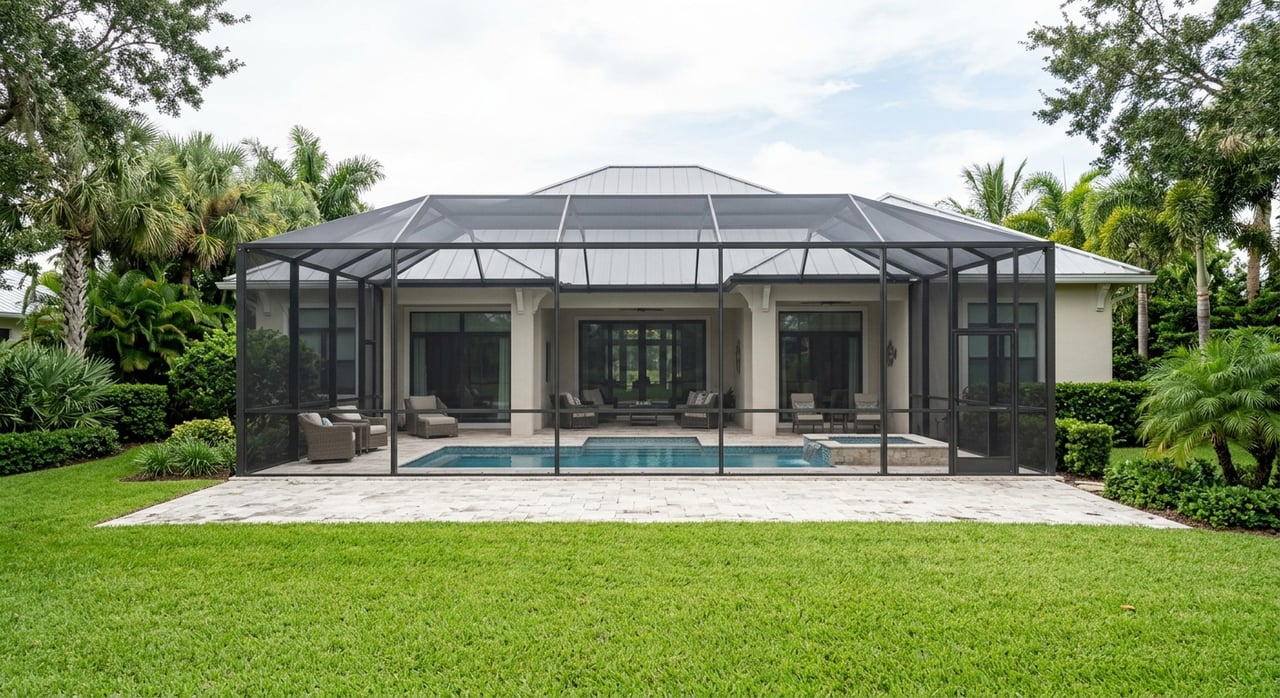
That often leaves more flexibility for a standard Florida setup focused on lawn, patio space, a pool, pets, and day-to-day outdoor use. You are still part of the same citywide environment, but your backyard is less likely to revolve around water access and shoreline management.
For many buyers, that simplicity is a real advantage. If your goal is lower day-to-day upkeep and a more familiar suburban feel, inland homes often fit that need well.
Choosing inland does not mean giving up boating entirely. Cape Coral’s public ramps are open 24/7 unless closed for safety or repairs, so getting out on the water is still very possible.
The key difference is convenience. Boating becomes a planned activity instead of something built into the home itself. If that feels perfectly fine to you, inland living may give you the flexibility you want without the extra shoreline responsibilities.
The city also notes that Florida requires boating safety training for certain operators. So if boating is part of your plan, it is smart to think about both access and readiness.
Even inland, Cape Coral’s water systems still matter. The city says irrigation water service uses reclaimed water and canal freshwater for non-potable needs, and over-irrigation can still contribute to runoff issues across the canal network.
Cape Coral also has a fertilizer ordinance that runs from June 1 through September 30. So while inland living may feel simpler, property care still happens within a broader city system shaped by water management.
One of the most important questions is not whether a home is canal-front or inland. It is the flood-zone status of the specific parcel.
Lee County explains that Special Flood Hazard Areas trigger floodplain rules and mandatory flood insurance for federally backed mortgages. Cape Coral also provides property-specific flood-risk tools and notes that flood insurance is available to all properties.
The city says many Cape Coral owners live in flood zones, so buyers should avoid assumptions. A home inland is not automatically free from flood concerns, and a canal-front home is not automatically the same as every other waterfront property.
Cape Coral also notes that properties in A, AE, and V zones receive a 25% flood-insurance discount under the Community Rating System, while X-zone properties receive a 10% discount. That makes parcel-level review especially important when comparing homes.
It is easy to fall in love with a water view. But in Cape Coral, the better question is how you want to live day to day.
If you want boating from your backyard, are comfortable with shoreline care, and like the idea of living close to the canal environment, canal-front may be the right fit. If you want a more traditional home setup with fewer marine-related considerations, inland may be the better match.
Before you choose, it helps to get specific:
Those answers usually make the right direction much clearer.
Canal-front living in Cape Coral is best understood as a water-based lifestyle. It can offer boating convenience, shoreline views, and a strong connection to the city’s canal system, but it also comes with added environmental responsibility and maintenance awareness.
Inland living is usually simpler and more flexible for everyday yard use. You can still enjoy Cape Coral’s residential setting and public boating access without having the canal edge shape your property in the same way.
The real choice is not just waterfront versus non-waterfront. It is whether you want the canal system to be part of your daily routine or simply part of the scenery around you.
If you want help comparing canal-front and inland homes in Cape Coral, David Burnham can help you narrow down the right fit for your lifestyle, priorities, and long-term goals.
Address
800 Laurel Oak Dr., #400
Naples, FL 34108